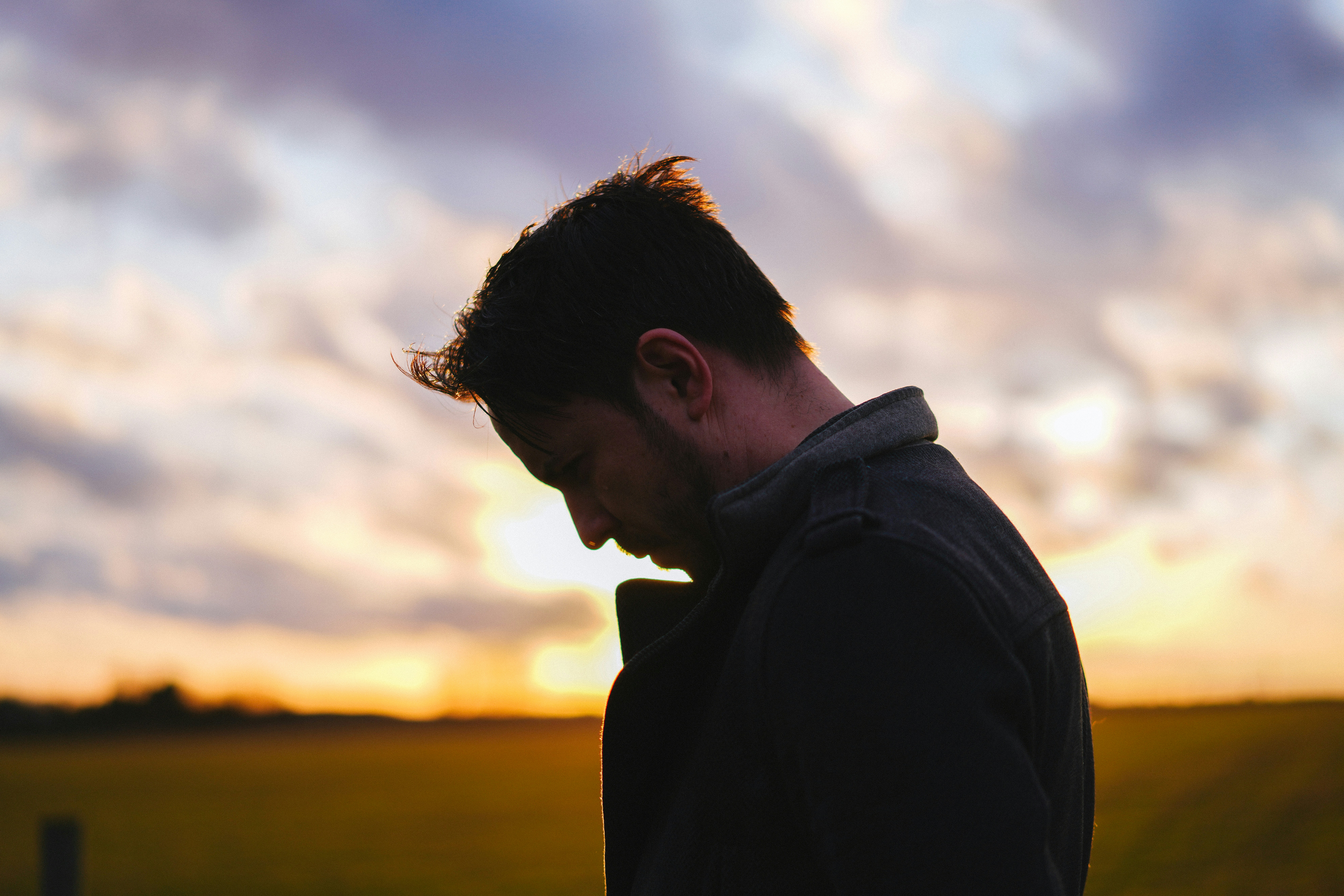
One of the most common things I hear from men in therapy is: “I don’t know why but I just feel low.”
They rarely describe feeling overwhelmed, anxious, or burnt out. Instead, they talk about a general sense of low mood, a dip in motivation or a heaviness they can’t quite explain. But as we explore their experience more deeply, it often becomes clear that what they’re describing isn’t just a temporary low. It’s burnout.
Unlike physical exhaustion, burnout doesn’t always arrive with obvious signs. In men, it tends to appear quietly and subtly, blending into daily life in ways that are easy to dismiss. Many men don’t recognise it as burnout because they assume burnout has to look dramatic. As in complete exhaustion, emotional collapse, or being unable to function. But clinically, burnout in men often shows up in far more understated ways.
Here are the patterns I see again and again:
✔ Irritability and a Short Fuse
Burnout frequently begins with irritability rather than sadness. Men describe feeling easily frustrated or on edge, snapping quicker, or losing patience with situations they’d usually manage calmly. This isn’t a character flaw: it’s a nervous system under pressure.
✔ Emotional Numbness
Many men don’t always feel tearful or visibly distressed. Instead, they can feel an emotional numbness: a sense of being flat, disconnected, or on autopilot – one of the clearest signs of burnout. It’s the mind’s way of conserving energy when stress becomes chronic.
✔ Escaping Into Productivity
A subtle but common sign is working more. Men often bury themselves in tasks or stay constantly busy because slowing down means facing uncomfortable thoughts or emotions. From the outside, it looks like ambition. Psychologically, it can be avoidance.
✔ Changes in Sleep and Energy
Burnout interferes with rest. Many men struggle to wind down at night, wake up feeling unrefreshed, or rely heavily on caffeine just to stay functional. These shifts are not about poor habits: they’re signals that the body is overstressed.
✔ Social Withdrawal
Men experiencing burnout often pull back from friendships, avoid social plans, or feel too drained to connect. They’re not rejecting connection. It’s just that connection requires emotional bandwidth they simply don’t have in that moment.
These patterns are not personal shortcomings.They are coping mechanisms, shaped by stress and long-standing expectations placed on men to stay strong, stay composed, and stay in control.
The good news is that burnout is highly reversible when recognised early. Recovery begins not with dramatic life changes, but with awareness, honesty and an ability to be vulnerable. It begins with a moment of acknowledging, “Something isn’t right, and I deserve support.”
This Movember, I encourage men to notice the subtle signs.
Check in with yourself.
Ask how you’re really doing beneath the surface.
Share your experience with someone you trust.
A single conversation with a mate, a partner, or a professional can interrupt the cycle of burnout before it deepens. You don’t need to reach crisis to seek support. You don’t need to wait until things feel unmanageable to deserve care.
Burnout is a signal, not a weakness.
And you don’t have to face it alone.
—
Dr Anna Symonds
Clinical Lead, InsideOut